120 Color Swatch Chart, Square Classic: The Ultimate Design Tool
Every creative project starts with a spark of an idea, but that idea often needs a tangible form to truly come to life. For designers, marketers, and crafters, that form is frequently color. Choosing the right palette can make or break a brand, a website, or a piece of art. Yet, managing and referencing colors across different mediums and projects can be surprisingly chaotic. This is where a dedicated system becomes invaluable, moving color selection from guesswork to a strategic, repeatable process.
A Practical System for Color Consistency
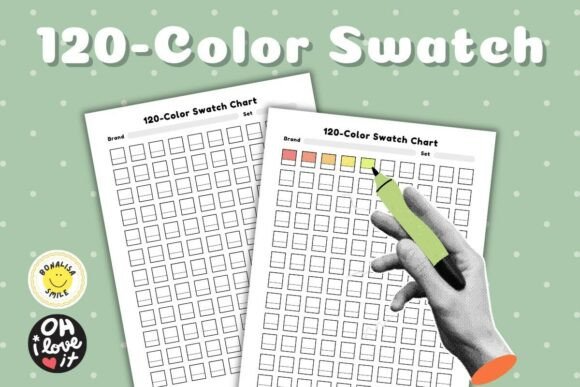
The 120 Color Swatch Chart, Square Classic is exactly that system. At its core, it's a single-page PDF, a meticulously organized grid featuring 120 individual color slots. Each square is a blank canvas, waiting to be filled with your chosen hue. The visual design is intentionally minimal and clean—think of it as the sans serif font of color tools. Its personality is functional, professional, and uncluttered, providing a clear structure that doesn't compete with the colors themselves. This isn't a decorative element; it's a foundational design asset built for utility and clarity, much like a well-designed typeface in a brand identity kit.
Its appeal lies in its versatility and directness. You print it, you fill it in, and you have an immediate, physical reference. For a logo design project, you can test how a primary blue looks next to a secondary gold. For editorial design, you can map out the accent colors for a magazine spread. The square format is particularly effective, offering a generous, unambiguous view of each color that's easy to scan and compare. It’s a tool that respects your time by getting out of the way and letting the work speak for itself.
Where This Tool Transforms Your Workflow
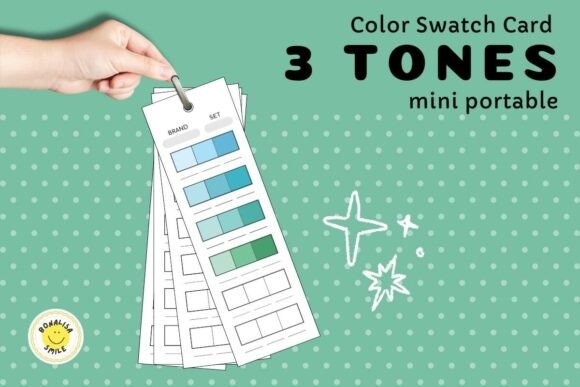
Imagine you're a small business owner finalizing your brand identity. You have your premium font and a creative font for accents, but the color palette is still in flux. Instead of relying on digital screens that can shift in hue and brightness, you print a 120 Color Swatch Chart. You mix your physical paints, print your Pantone swatches, or use markers to fill in the squares. Suddenly, you have a single, reliable sheet that shows your entire brand palette at a glance. This becomes your color bible, ensuring your packaging design, web design, and social media graphics are perfectly aligned.
The applications extend far beyond branding. A crafter or hobbyist can use it to organize thread colors for embroidery or yarn for knitting, creating a personal reference guide. A blogger or content creator can document the exact hex codes or paint names for their signature aesthetic, ensuring visual consistency across Instagram posts, Pinterest pins, and blog headers. The ability to print as many as you need means you can have one for your office, one for your studio, and one tucked into a project folder. It’s a simple solution to a universal creative challenge: maintaining color integrity from concept to completion.
Making Color Decisions with Confidence
Using a tool like the 120 Color Swatch Chart, Square Classic influences more than just accuracy; it shapes the entire creative process. It enhances visual hierarchy by allowing you to physically arrange and re-arrange your palette, seeing which colors demand attention and which recede. It strengthens brand perception and professionalism because consistent color application is a hallmark of polished work. Audiences, even subconsciously, recognize and respond to that consistency, building recognition and trust.
When integrating this tool into your workflow, think of it as part of your broader font pairing strategy. Just as you test a display font with a script font or a serif font with a modern typography style, you should test your color combinations in the physical world. Use the chart to evaluate how colors interact under different lighting. Assess the emotional tone they set together. Does the palette feel energetic, calm, luxurious, or approachable? This hands-on evaluation is irreplaceable.
For the best results, consider these practical steps. First, use high-quality markers, paints, or printed samples to fill in your chart for the most accurate representation. Second, create a key on the back or a separate note linking each swatch to its specific code (Pantone, CMYK, RGB, HEX) for digital implementation. Third, use your completed chart as a decision-making filter. When a new project arises, refer to your existing palettes before starting from scratch—this builds a cohesive body of work over time.
This 120 Color Swatch Chart is more than a printable PDF; it's a commitment to intentional design. It’s the bridge between your digital palette and the physical world, ensuring that the vision you have in your mind is the one that makes it onto the screen, the page, or the product. For any professional or enthusiast who values precision and efficiency, it’s an indispensable part of the creative toolkit.